
Learn to
read your nervous system
on the frontline
Stress is a switch, not a dial.
When your nervous system flips into survival mode, coping skills stop working. Tracking Better teaches the technical skill of reading stress states in yourself and the people you support. Body first, then brain.
THE APPROACHWelcome to Red-Dirt Mental Health
The new trauma science shows us we were probably taught stress the wrong way.
"Think positive. Use your coping skills." That works when you're mildly frustrated. It doesn't work when your nervous system has flipped into survival mode.
This means we need to pivot our approach. We need to be able to track when we've been triggered into survival mode, because it happens below conscious awareness. By the time you notice, the hijack has already happened.
I teach practical, hands-on nervous system tracking. The technical skill of reading stress states in yourself and others, and knowing what to do. Body first. Then brain.
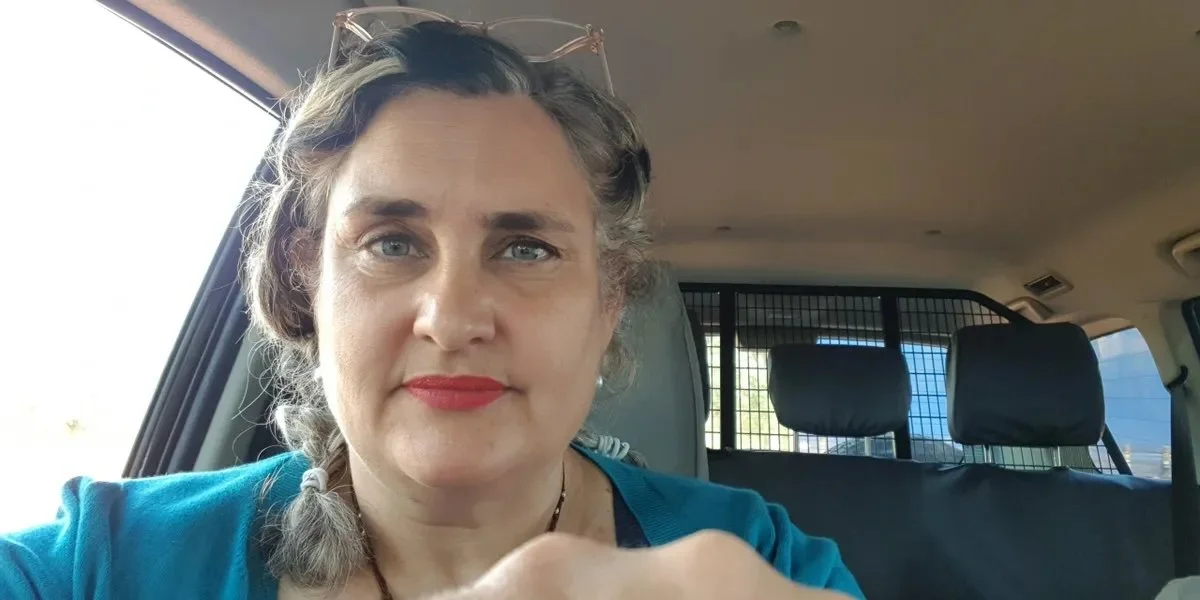
Dr Deeta Kimber
I'm a child and adolescent psychiatrist with 30 years of clinical experience. Before 12 years of fly-in fly-out work in the Kimberley, I worked in Melbourne Youth Justice - with the cases where the mental health system doesn't fit.
That work taught me what actually helps: understanding the nervous system, reading the stress signals, and knowing how to bring someone back to safety. Not behaviour management. Not just talking. Body-first regulation.
I developed Tracking Better to translate that clinical knowledge into practical tools for the people doing the frontline work.

THE PROBLEM
What you were taught doesn't match the science
Stress is a switch, not a dial
You were taught to turn stress down gradually. But your nervous system doesn't work that way — it flips between states, and each state needs a different response.
You can't think your way out
"Use your coping skills. Think positive." That only works when your thinking brain is online. In survival mode, it's not. The body has to come first.
Your body reads the room first
Before you've consciously registered anything, your nervous system has already decided: safe or threat. That's running the show.
Behaviour is the symptom, not the problem
What looks like defiance, avoidance, or aggression is usually a nervous system in survival mode. Read the state, not the behaviour.
THE SOLUTIONWhat's unique about this approach
Who is this for?
Anyone working on the frontline — GPs, psychologists, nurses, teachers, youth workers, Aboriginal health workers. If you work with people in distress, this is the technical skill you weren't taught in training.
How does it help?
You learn to read stress states in real time — in yourself first, then in the people you serve. When you can see what zone someone's in, you stop guessing and start knowing what will actually work.
What's different about this?
Body first, then brain. Most training teaches you to talk, reason, and use cognitive strategies. That only works when the thinking brain is online. In survival mode, it's not. This approach starts where the nervous system actually is.

THE APPROACHLearn to track what's happening
-
Read your own stress state in real time. Know when you're triggered. Regulate back to green before you react, burn out, or make it worse. This isn't self-care. It's a technical skill for surviving high-stress work.
-
Apply the same lens to your clients, students, patients - children, youth, or adults. Understand what's driving the behaviour. Know what will actually help. Self-regulation first. Then coregulation.
HOW I CAN HELPTwo Ways To Work With Me
Training for teams
Teach your staff nervous system literacy - how to manage their own triggering on the frontline, and how to apply it with the people they serve. Trauma and developmentally informed. Body first.
Supervision
One-on-one or small group. Bring your cases. We'll map the stress zones and work out what to do. For clinicians, educators, and anyone working with complexity.